28 Nov 2025
Post by eyewide
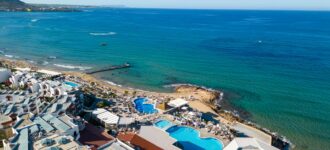
Beyond Malia’s golden beaches and lively nightlife lies a quieter, more intimate side of Crete, one where stone-built villages cling to hillsides, traditions are kept alive in kitchens and workshops, and the pace of life invites you to slow down and savor the moment. These hidden gems of eastern Crete remain largely untouched by mass tourism, offering a rare glimpse into the island’s authentic soul.
If you’re craving winding lanes, handwoven linens, homemade raki, and heartfelt hospitality, these villages are your calling. Here are three must-visit stops, each a world away from the crowds yet just a short drive from Malia.
Krasi: The Village Beneath the Ancient Tree
Nestled in the foothills of Mount Selena, Krasi is a place where the past lives quietly in the present. Its crown jewel? A thousand-year-old plane tree, one of the oldest and largest in Europe, spreading wide across the village square. Beneath its canopy, you’ll find locals sipping coffee or playing backgammon, timeless scenes that seem plucked from another era.
Take time to explore:
- The historic village spring, with crystal-clear water still used by residents.
- A short hiking trail leading up into the hills for panoramic views of the Lasithi Plateau.
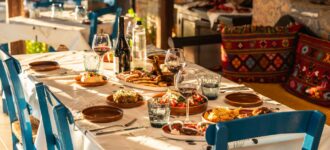
- Local tavernas serving antikristo lamb, grilled slowly over open flames, and mizithra cheese pies drizzled with honey.
Tip: Krasi is also known for its connection to Greek writer Nikos Kazantzakis, who often visited for inspiration. Look for the small plaque in his honor near the square.
Mochos: Tradition with a View
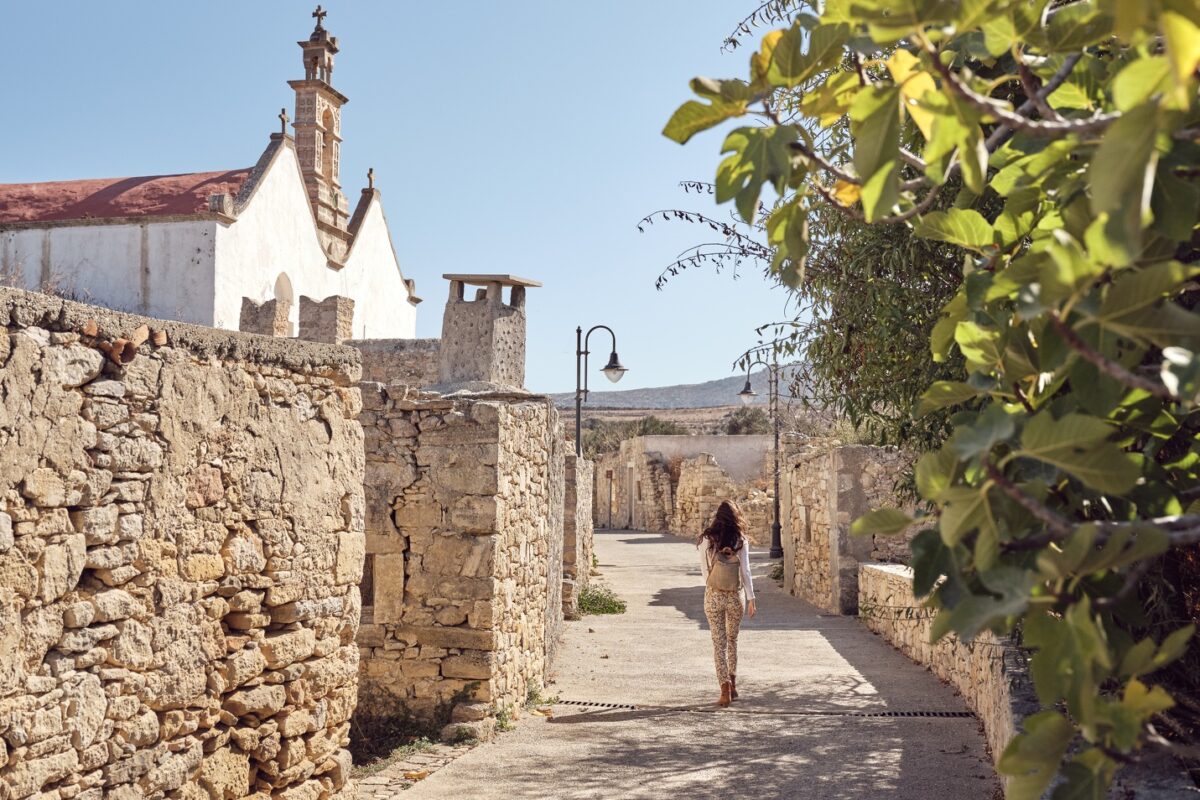
Set high above Malia, Mochos feels like a mountaintop secret waiting to be discovered. Its stone-paved lanes wind through whitewashed homes, flower-filled courtyards, and old chapels, while its central square is alive with traditional music and laughter, especially during summer festivals.
This is a village where time stretches gently:
- Visit the Church of the Virgin Mary, known for its striking bell tower and Byzantine icons.
- Stroll through the olive groves that frame the village, or follow the scenic walking route down to Stalis, which takes about 90 minutes and rewards hikers with sweeping coastal views.
- Don’t leave without tasting lamb with stamnagathi (a wild Cretan green) or sipping homemade rakomelo, a sweet, spiced raki.
Evening tip: Stay for sunset. Mochos offers one of the most romantic vantage points over the sea, best enjoyed with a drink in hand.
Vrachasi: A Living Museum of Cretan Stonework
Tucked between the mountains and the sea, Vrachasi is a lesser-known marvel, a village shaped by centuries of stone craftsmanship. Its narrow alleys climb steeply past old homes, many with arched doorways, wooden balconies, and intricate masonry. This is where tradition isn’t just remembered, it’s lived.
What to explore:
- Walk the Heritage Trail through the village to see restored stone buildings and abandoned olive mills.
- Visit local artisans, including woodcarvers and weavers, who sell handmade goods from modest workshops.
- Try apaki (smoked pork) or horta (seasonal wild greens), prepared with nothing more than olive oil and lemon—Cretan cuisine at its purest.
Local tip: Stop by a kafeneio (traditional café) for a spontaneous chat with locals. Hospitality here isn’t performative, it’s personal.
Final Thoughts: Discover the Heart of Crete
The villages near Malia offer more than pretty views. They offer a deeper connection to Crete’s living heritage. Each one, with its unique flavors, rhythms, and rituals, invites you to step into a slower world where what matters most can still be found in the simple: a shared meal, a handmade gift, a warm greeting.
For travelers willing to detour from the main roads, these timeless places aren’t just worth visiting, they’re impossible to forget.


Related Article